Afro and curly hair is naturally drier than straight hair, because the oils your scalp makes have a harder time travelling down a coiled strand. That makes it sensitive to the weather. A routine that keeps your hair soft in July can leave it brittle in January, and a winter routine can feel heavy and greasy in the heat.
What changes between seasons
In winter the air outside is cold and dry, and central heating dries the air indoors too. Hair loses moisture faster. Hats, scarves and coat collars also rub against the hair and can cause breakage around the hairline and nape.
In summer the air is warmer and more humid. Hair takes in moisture from the air, which causes frizz and shrinkage. Sun, sweat, chlorine and salt water all dry the hair and scalp, and product builds up faster.
What to change, and what to keep
- Cleansing: wash a little less often in winter with a moisturising shampoo. In summer, wash more often and use a clarifying shampoo or co-wash to lift sweat and build-up.
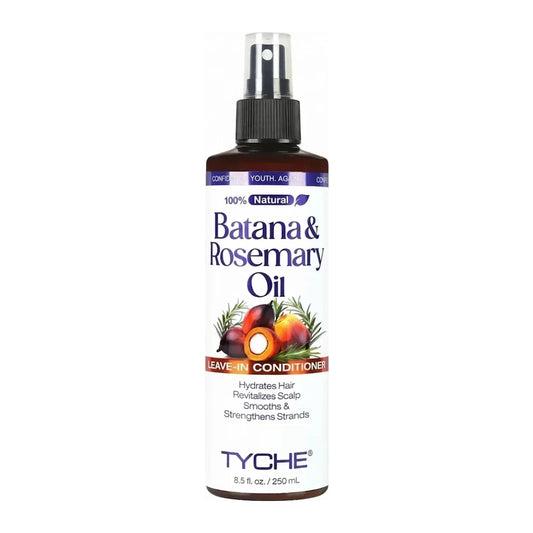
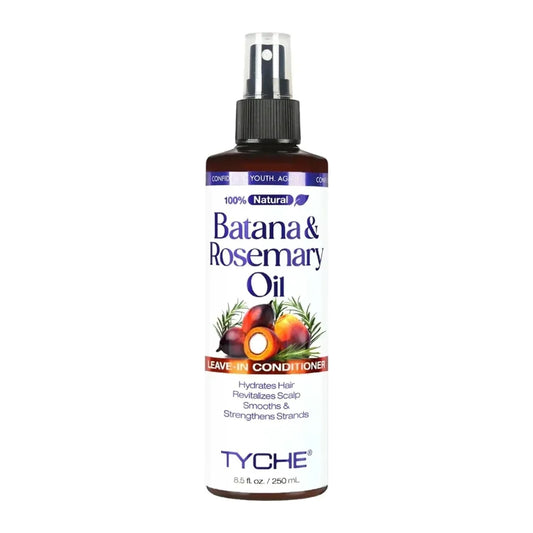
- Conditioning: deep condition more often in winter. In summer, swap heavy creams for lighter leave-in sprays and hair milks.
- Sealing: use butters and thicker oils in winter. Use lighter oils, and less of them, in summer.
- Protection: in winter, protect hair from friction with a satin bonnet or a satin-lined hat. In summer, protect it from sun, heat and humidity.
What stays the same all year is the order: cleanse, condition, moisturise, seal.
Your hair type matters too
Tighter coils, such as 4B and 4C, usually need richer products than looser 3C or 4A curls. Porosity matters as well. Low porosity hair tends to do better with lighter products, and high porosity hair usually needs heavier creams and butters to hold moisture in.
Where to start
See our winter afro hair care guide and summer afro hair care guide for a step-by-step routine and the products for each step.